

Mastering the ADDIE Model: The Ultimate Guide to Effective Instructional Design
Mastering the ADDIE Model: The Ultimate Guide to Effective Instructional Design
In today’s fast-paced learning environment, creating impactful educational experiences requires more than just presenting information. Instructional designers face the challenge of developing content that not only informs but also engages and motivates learners. One of the most widely recognized frameworks for achieving this is the Master ADDIE Instructional Design. With its systematic approach, the ADDIE model provides a clear roadmap for designing, implementing, and evaluating training programs. Whether you are developing corporate training, online courses, or academic programs, understanding and applying this model can significantly enhance the effectiveness of your instructional design. This guide will explore each phase of the ADDIE model, practical applications, and strategies to maximize learning outcomes.
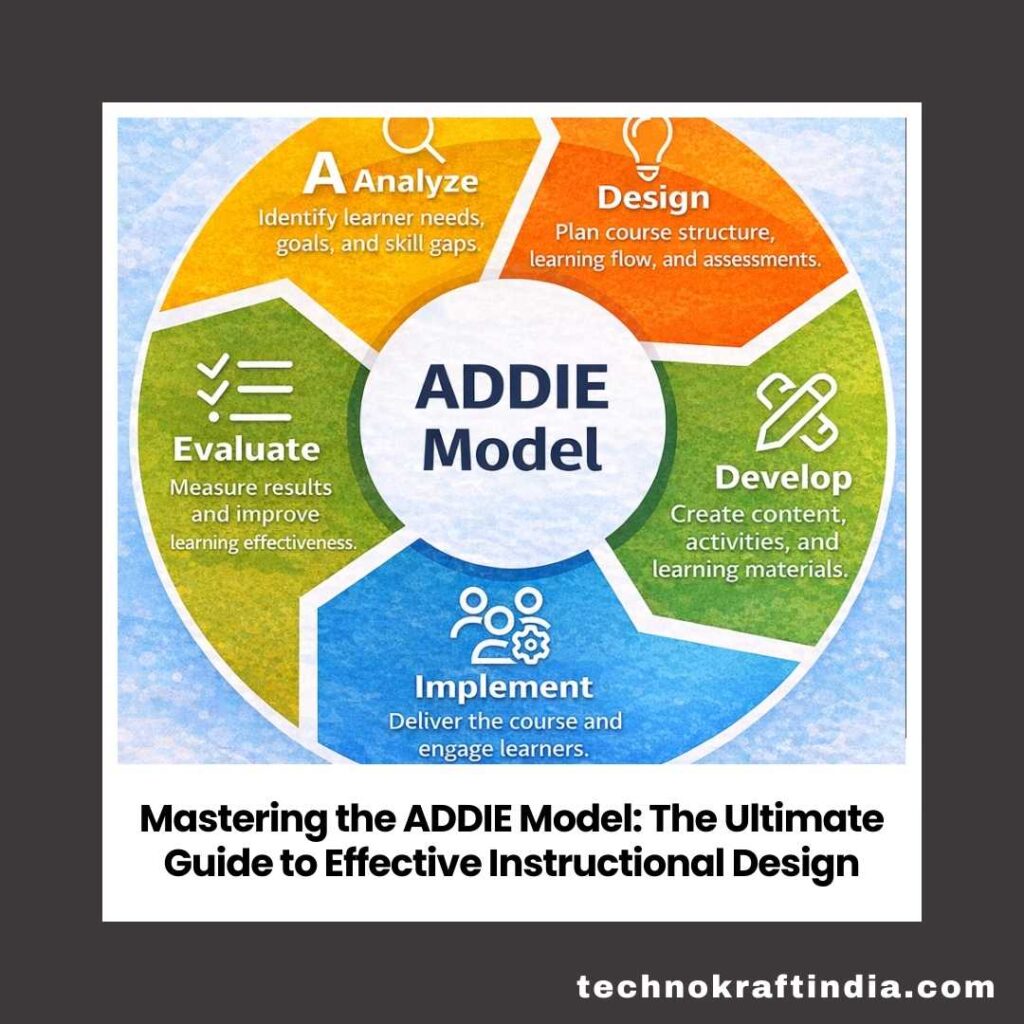
Understanding the ADDIE Model
The Master ADDIE Instructional Design is an acronym that stands for Analysis, Design, Development, Implementation, and Evaluation. It serves as a structured framework that guides instructional designers through the process of creating educational and training programs. Each phase is interconnected, ensuring that learning solutions are comprehensive, effective, and aligned with the objectives of learners and organizations. By breaking down the instructional design process into manageable steps, the ADDIE model reduces complexity and increases the likelihood of successful outcomes.
The beauty of ADDIE lies in its flexibility. It can be applied to face-to-face instruction, e-learning, blended learning, or even mobile training modules. The model emphasizes iterative improvement, meaning instructional designers can continually refine content based on feedback and evaluation results. This adaptability makes ADDIE a cornerstone of instructional design, especially for organizations seeking structured yet dynamic learning solutions.
Phase 1: Analysis – The Foundation of Effective Learning
The Analysis phase is the cornerstone of the ADDIE model. During this stage, instructional designers identify the learning needs, audience characteristics, and performance gaps. It is crucial to gather relevant data, such as learner demographics, prior knowledge, and skill levels. Understanding the context ensures that the instructional design addresses real problems rather than hypothetical scenarios.
Additionally, this phase involves defining clear learning objectives and aligning them with organizational goals. Tools like surveys, interviews, and focus groups are commonly used to gather information about learners. A detailed needs analysis prevents wasted resources and ensures that the training program is targeted and relevant. By thoroughly understanding the audience and objectives, designers lay a strong foundation for all subsequent phases of ADDIE.
Phase 2: Design – Blueprinting the Learning Experience
Once analysis is complete, the next step is the Design phase. This stage involves creating a detailed plan for the instructional content, learning activities, assessments, and delivery methods. Designers outline the course structure, sequence lessons logically, and select appropriate instructional strategies that cater to various learning styles.
Key considerations in this phase include defining learning outcomes, drafting storyboards, and creating assessment frameworks. Using visual aids, interactive elements, and multimedia resources enhances engagement and knowledge retention. By the end of the Design phase, instructional designers have a clear roadmap of the learning experience, ensuring that development efforts are focused and purposeful.
Phase 3: Development – Bringing Learning to Life
The Development phase is where instructional ideas are transformed into tangible learning materials. This includes creating content such as videos, presentations, e-learning modules, handouts, and interactive exercises. Developers ensure that the content is consistent, engaging, and aligned with the objectives defined in the Design phase.
Modern instructional designers often utilize authoring tools, learning management systems (LMS), and multimedia software to create rich and interactive content. Collaboration between subject matter experts, designers, and developers is essential to maintain accuracy and quality. Testing content during development also helps identify potential issues early, ensuring smooth implementation. Effective development transforms theoretical designs into immersive and practical learning experiences.
Phase 4: Implementation – Delivering the Learning Experience
The Implementation phase focuses on delivering the instructional program to learners. This stage includes organizing logistics, scheduling sessions, onboarding instructors, and deploying e-learning modules. Clear communication with learners about expectations, objectives, and timelines ensures engagement and smooth participation.
During implementation, instructional designers monitor learner interactions, provide support, and address any technical or instructional challenges. This phase is not just about delivering content; it is about facilitating learning, guiding learners, and maintaining motivation. Effective implementation ensures that the carefully designed and developed instructional materials achieve their intended impact.
Phase 5: Evaluation – Measuring Success and Driving Improvement
Evaluation is a critical phase in the ADDIE model. It involves assessing the effectiveness of the instructional program through feedback, assessments, and performance metrics. Evaluation occurs at multiple levels, including learner satisfaction, knowledge acquisition, behavior change, and organizational impact.
Formative evaluation takes place during development and implementation, allowing designers to make real-time improvements. Summative evaluation occurs after program completion to measure overall success. Data collected during this phase informs revisions, enhances future instructional programs, and ensures continuous improvement. Effective evaluation turns insights into actionable strategies, closing the loop in the ADDIE process.
Benefits of Using the ADDIE Model
The ADDIE model offers several benefits for instructional designers and organizations. Firstly, its structured approach reduces ambiguity, ensuring that learning programs are purposeful and goal-oriented. Secondly, its iterative nature allows designers to refine content based on feedback and performance data. Thirdly, it promotes collaboration among stakeholders, including trainers, subject matter experts, and learners.
Moreover, the ADDIE model enhances learner engagement by providing a logical and coherent learning experience. It supports diverse learning formats and accommodates technological advancements, making it suitable for both traditional and digital education. Ultimately, ADDIE helps organizations achieve measurable learning outcomes and ensures a return on investment in training programs.
Practical Applications of the ADDIE Model
The versatility of the ADDIE model allows it to be applied across multiple learning contexts. In corporate training, it helps design onboarding programs, compliance courses, and leadership development initiatives. In higher education, instructors use ADDIE to structure online courses, workshops, and blended learning programs. E-learning developers rely on ADDIE to create interactive modules that combine multimedia elements with engaging assessments.
By following the ADDIE framework, instructional designers can adapt content for different audiences, technologies, and learning objectives. Its systematic approach ensures consistency, quality, and effectiveness in every training initiative. Organizations that embrace ADDIE benefit from structured, measurable, and continuously improving learning experiences.
Conclusion
The Master ADDIE Instructional Design remains one of the most effective frameworks for instructional design, providing a clear path from analysis to evaluation. By applying its principles, instructional designers can create engaging, practical, and results-driven learning experiences. From understanding learner needs to measuring program success, each phase plays a crucial role in delivering high-quality education and training. Whether you are developing corporate courses, academic programs, or online learning modules, mastering the ADDIE model empowers you to design impactful learning that meets both learner and organizational goals. Embracing ADDIE is not just about following a process; it is about committing to continuous improvement and educational excellence.