

The Instructional Designer Role: Shaping Learning That Truly Works
The Instructional Designer Role: Shaping Learning That Truly Works
The Instructional Designer Role Learning role has become one of the most critical functions in modern education, corporate training, and digital learning ecosystems. As organizations shift toward skill-based learning, remote work, and continuous upskilling, the need for structured, engaging, and outcome-driven learning experiences continues to grow. This is where the role plays a decisive part. An instructional designer does not simply create content. Instead, they analyze learning needs, design effective learning journeys, and ensure that knowledge transfers into real-world performance. In today’s fast-changing environment, learning must be measurable, scalable, and learner-centered. The instructional designer role bridges the gap between subject matter expertise and learner success, ensuring that training initiatives deliver clear value.
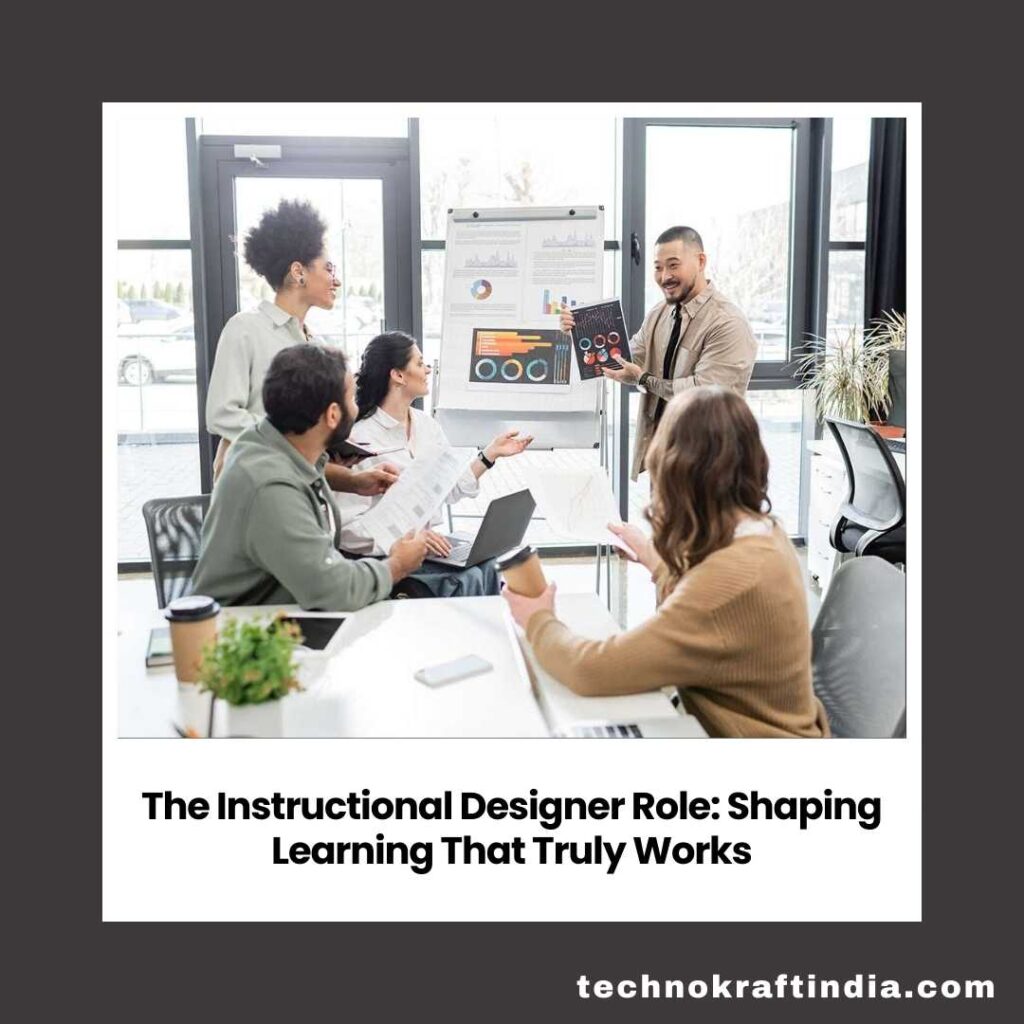
Understanding the Core of the Instructional Designer
At its core, the role focuses on designing learning experiences that align with defined objectives and measurable outcomes. Instructional designers begin by identifying the learning problem. They assess what learners already know, what they need to learn, and why the gap exists. This analytical approach sets the foundation for effective learning solutions. Unlike traditional content creators, professionals in the instructional designer role rely on proven learning theories such as Bloom’s Taxonomy, Adult Learning Theory, and constructivist principles. These frameworks help structure content in a way that supports comprehension, retention, and application. By combining theory with practical design, the instructional designer role ensures learning is purposeful rather than informational.
Key Responsibilities Within the role
The instructional designer a wide range of responsibilities that extend far beyond writing course material. One major responsibility involves conducting needs analysis through stakeholder interviews, surveys, and performance data. Instructional designers then translate these insights into clear learning objectives. Another responsibility includes selecting the most suitable instructional strategies, such as scenario-based learning, microlearning, or blended formats. The instructional designer role also involves storyboarding content, collaborating with subject matter experts, and working closely with multimedia developers. Throughout the process, instructional designers review, test, and refine learning assets to maintain quality and consistency. This structured workflow ensures that learning solutions remain aligned with business or educational goals.
Tools and Technologies Used in the Role
Technology plays a vital role in the instructional designer role, especially in digital and corporate learning environments. Instructional designers frequently work with authoring tools such as Articulate Storyline, Adobe Captivate, and Rise to develop interactive courses. Learning Management Systems are another essential component of the instructional designer role, as they help deliver, track, and evaluate learner progress. Data analytics tools also support the instructional designer role by providing insights into learner behavior and course effectiveness. By leveraging technology strategically, instructional designers create engaging experiences while ensuring scalability and accessibility across diverse learner groups.
Skills Required to Excel
Success in the role depends on a balanced combination of technical, analytical, and interpersonal skills. Strong communication skills allow instructional designers to collaborate effectively with stakeholders and subject matter experts. Analytical thinking helps them interpret data and identify learning gaps accurately. Creativity is equally important, as the instructional designer role demands innovative approaches to keep learners engaged. Additionally, project management skills help instructional designers manage timelines, budgets, and resources efficiently. A deep understanding of learning theory and user experience design further strengthens performance in the instructional designer role, enabling professionals to create impactful learning journeys.
The Role in Corporate Training
In corporate settings, directly influences organizational performance. Companies rely on to develop onboarding programs, compliance training, leadership development courses, and technical skill modules. The instructional designer role ensures that training aligns with business objectives and delivers measurable results. By focusing on performance-based outcomes, instructional designers help employees apply learning on the job. This approach reduces skill gaps, improves productivity, and supports long-term growth. As organizations continue to invest in learning and development, the instructional designer role becomes increasingly strategic rather than operational.
The Role in Academic and Online Education
The Role also holds significant value in academic institutions and online education platforms. Instructional designers collaborate with faculty members to transform traditional curriculum into engaging digital courses. They ensure that assessments align with learning objectives and that content supports diverse learning styles. In online education, the instructional designer role emphasizes learner engagement, accessibility, and retention. Through thoughtful design and structured learning paths, instructional designers enhance the overall educational experience. Their contribution supports both student success and institutional credibility in competitive education markets.
Career Growth and Future Scope of the Role
The future of the looks promising as demand for digital learning continues to rise. With experience, instructional designers can advance into roles such as learning experience designer, learning strategist, or learning and development manager. Emerging trends like artificial intelligence, adaptive learning, and data-driven personalization are reshaping the instructional designer role. Professionals who stay updated with these trends gain a competitive advantage. Continuous learning and certification further enhance career prospects, making the instructional designer role a sustainable and rewarding career path.
Conclusion
In conclusion, the Instructional Designer Role Learning is central to creating learning experiences that deliver real results. By combining analysis, design, technology, and collaboration, instructional designers transform knowledge into meaningful action. Their work supports individual growth, organizational success, and educational innovation. As learning needs evolve, the instructional designer role will continue to adapt and expand in influence. Organizations and institutions that recognize the value of this role gain a strategic advantage through effective, learner-focused training. Ultimately, the instructional designer role is not just about teaching content but about enabling lasting learning outcomes.