
The Instructional Design Process: A Strategic Blueprint for Learning That Delivers Real Results
The Instructional Design Process: A Strategic Blueprint for Learning That Delivers Real Results
In today’s rapidly evolving Instructional Design Process Blueprint, creating content is no longer enough. Organizations, educators, and training providers need learning experiences that are structured, measurable, and impactful. This is where the instructional design process becomes essential. It provides a systematic approach to planning, developing, and delivering learning that truly works. Instead of relying on intuition or ad-hoc methods, the instructional design process ensures that learning aligns with real performance goals. Moreover, it helps learners stay engaged, motivated, and confident. As digital learning grows, a clear instructional design process becomes the backbone of effective education and corporate training.
Understanding the Instructional Design Process
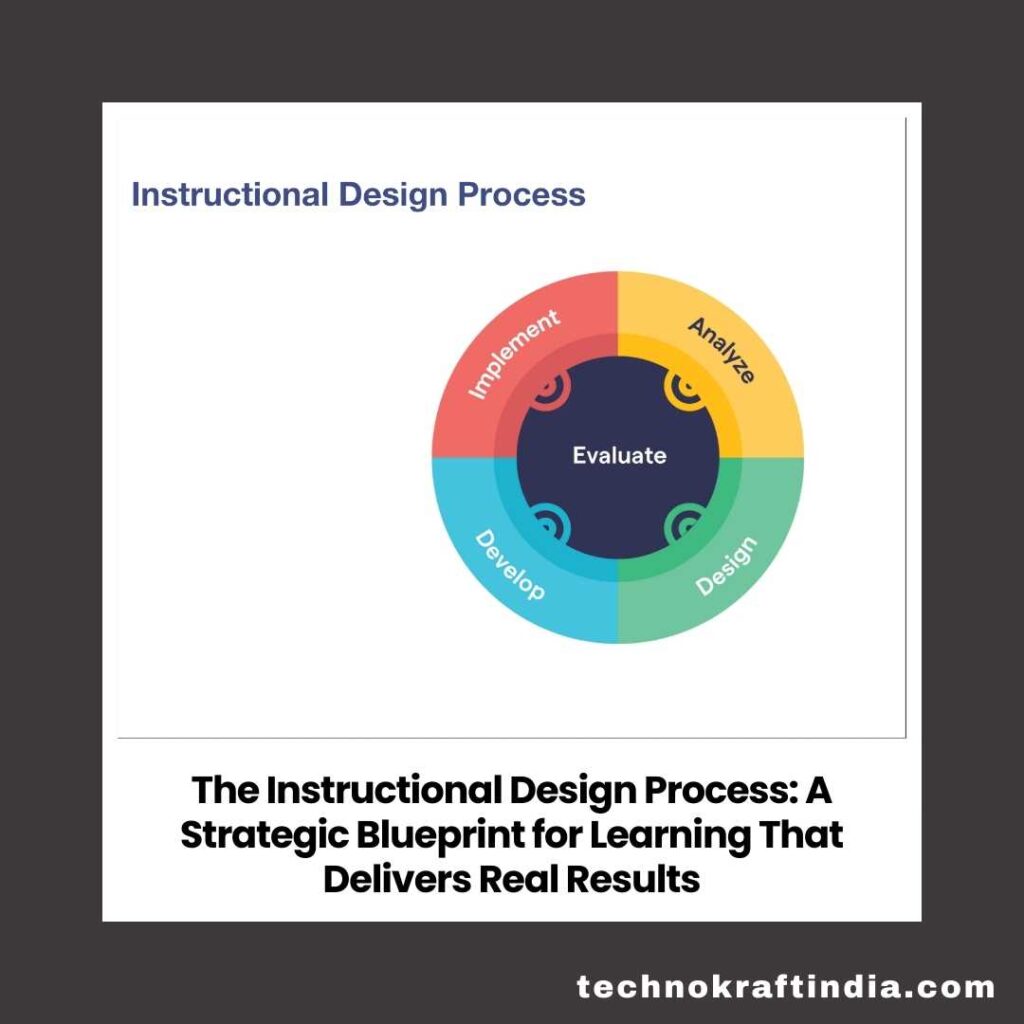
At its core, the instructional design process is a structured framework used to analyze learning needs and design solutions that close skill gaps. It begins with identifying what learners must achieve and ends with evaluating whether those outcomes were met. This process connects learning objectives, content, activities, and assessments into one cohesive journey. Importantly, it shifts the focus from teaching to learning. Designers consider how learners think, what motivates them, and how they apply knowledge in real situations. As a result, the instructional design process creates learning experiences that are not only informative but also practical and relevant.
Step One: Analysis – Building the Foundation
The analysis phase is the cornerstone of the instructional design process. During this stage, designers identify the learning problem, target audience, and desired outcomes. They examine learners’ prior knowledge, skill levels, and challenges. Additionally, they assess organizational goals and performance gaps. This step ensures that learning is created for a clear purpose. Without proper analysis, training risks becoming generic or ineffective. Therefore, this phase saves time and resources by aligning learning objectives with real-world needs from the very beginning.
Step Two: Design – Mapping the Learning Journey
Once analysis is complete, the design phase translates insights into a structured learning plan. In this stage, instructional designers define learning objectives, assessment methods, and content structure. They also choose instructional strategies such as scenario-based learning, microlearning, or blended formats. Clear sequencing plays a critical role here. Lessons flow logically, building from simple concepts to complex applications. Furthermore, designers plan learner interactions to maintain engagement. The instructional design process ensures that every element supports the desired learning outcomes.
Step Three: Development – Bringing Content to Life
The development phase is where ideas become tangible learning materials. Designers create course content, visuals, multimedia, and assessments based on the approved design plan. Consistency and clarity are essential at this stage. Content must remain aligned with objectives and learner needs. Additionally, designers apply learning theories to enhance retention and understanding. Through careful development, the instructional design process transforms concepts into meaningful experiences that learners can easily navigate and absorb.
Step Four: Implementation – Delivering the Learning Experience
Implementation focuses on delivering the learning solution to the target audience. This may involve launching an online course, conducting workshops, or deploying training through a learning management system. During this stage, instructors, facilitators, or support teams play an important role. Clear communication ensures that learners understand how to access and complete the training. The instructional design process supports smooth implementation by preparing all stakeholders in advance. As a result, learners experience minimal barriers and maximum engagement.
Step Five: Evaluation – Measuring Effectiveness and Impact
Evaluation is a critical yet often overlooked part of the instructional design process. This stage measures whether learning objectives were achieved and if performance improved. Designers collect feedback, assessment results, and performance data. Both formative and summative evaluations provide valuable insights. Based on findings, designers refine content and strategies. Continuous evaluation ensures that learning remains relevant and effective over time. Ultimately, this step turns learning into a measurable business or educational asset.
Applying the Instructional Design Process in Real-World Scenarios
The instructional design process applies across industries, from corporate training to academic education. In organizations, it supports onboarding, compliance training, and leadership development. In education, it enhances curriculum design and student engagement. Moreover, it adapts well to digital transformation and remote learning environments. By following a structured process, designers create scalable and consistent learning experiences. This flexibility makes the instructional design process a valuable framework in any learning context.
Conclusion
The Instructional Design Process is more than a framework; it is a strategic mindset. It ensures that learning is intentional, learner-centered, and results-driven. By following a clear sequence of analysis, design, development, implementation, and evaluation, organizations create learning that delivers real value. In a world where skills evolve quickly, a strong instructional design process helps learners stay prepared and confident. When applied thoughtfully, it transforms training into a powerful tool for growth, performance, and long-term success.