

Mastering Instructional Design: The Blueprint for Effective Learning
Mastering Instructional Design: The Blueprint for Effective Learning
Instructional Design Mastery Guide stands at the heart of effective learning in both academic and professional sectors. As modern education shifts toward digital formats and flexible learning structures, instructional design provides the strategic direction required to make learning clear, engaging, and purposeful. It transforms raw information into meaningful knowledge through organized frameworks, structured planning, and learner-centred approaches. This expanded guide explores the depth of instructional design, its evolving significance, and how it empowers organizations to build learning systems that deliver real and measurable results.
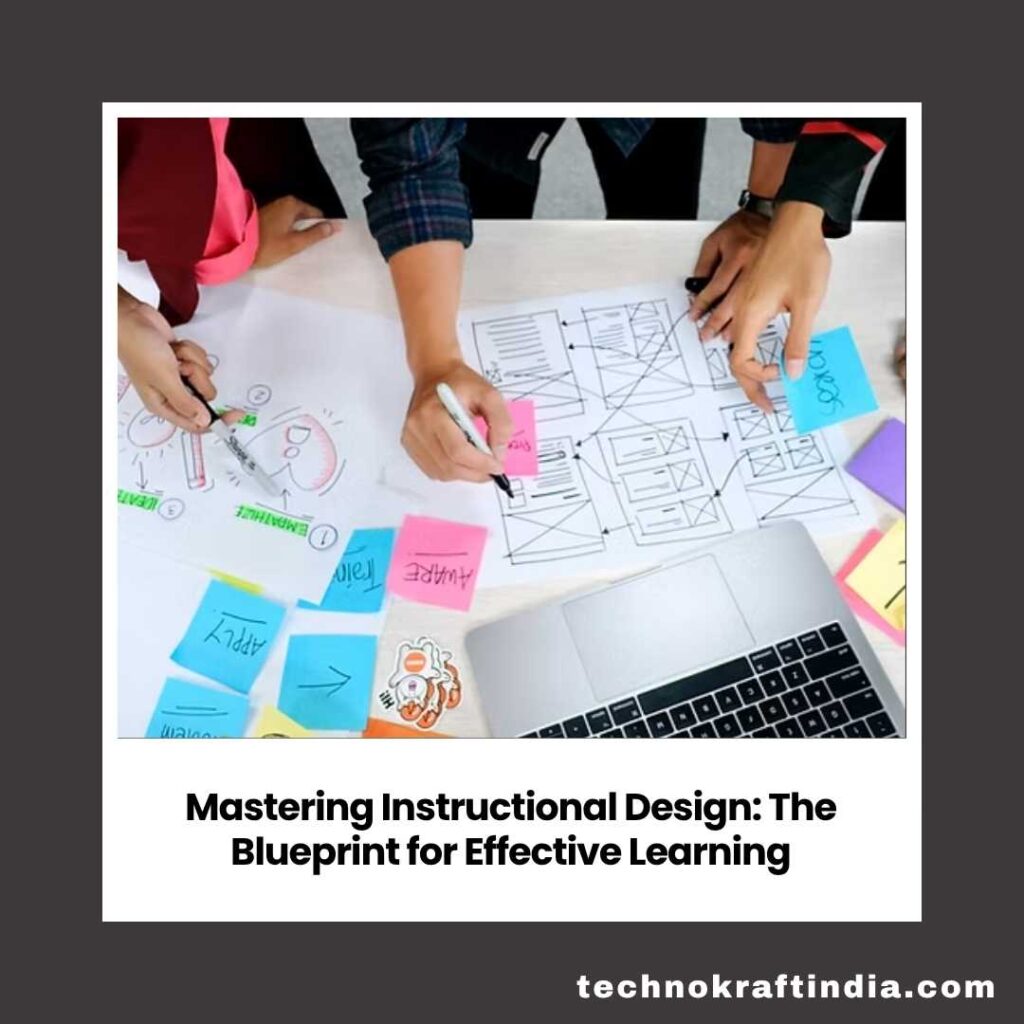
In today’s fast-paced world, learners expect clarity, simplicity, and relevance. Instructional design fulfills these expectations by combining educational theory with practical application. By implementing strong models, adaptive strategies, and innovative learning tools, instructional designers ensure knowledge is not only delivered but understood, retained, and applied. This blog dives deep into how instructional design works, why it is essential, and how its many components shape powerful learning experiences.
1. Understanding Instructional Design and Its Core Purpose
Instructional Design Mastery Guide is a structured methodology used to craft effective learning experiences. Its purpose is to present content in a clear and organized manner that supports learning goals. It involves analysing learner needs, setting objectives, and designing content that ensures comprehension and practical application. When done effectively, instructional design becomes the backbone of every successful educational program.
Good instructional design considers learner diversity, learning styles, subject complexity, and the environments in which learning takes place. By understanding these elements, instructional designers create experiences that resonate emotionally and intellectually. They see learning as a process that goes beyond memorization—one that relies on engagement, relevance, and real-world value.
The Role of Learner-Centered Design
Learner-centered design is a vital part of instructional design because it prioritizes learner needs above content delivery. Instead of forcing learners to adapt to rigid structures, instructional design builds flexible pathways that support different learning speeds and styles. This ensures the learning experience remains accessible for everyone.
A learner-centered approach improves motivation and allows individuals to connect personally with the content. It builds confidence and enhances understanding through relatable examples, interactive tools, and activities that encourage reflection. When learners feel supported, they become active participants in their learning journey.
2. The ADDIE Model: A Structured Approach to Learning Design
The ADDIE model is one of the foundational frameworks used in instructional design. It consists of five phases—Analysis, Design, Development, Implementation, and Evaluation. Each phase works together to build a comprehensive learning experience that remains consistent, effective, and aligned with organizational goals.
Analysis: Defining What Learners Need
The analysis phase sets the foundation for instructional design. Designers study the learners, understand training requirements, and define expected outcomes. They identify skill gaps and performance challenges, which helps shape the overall direction of the training program.
During this phase, designers also examine environmental constraints, available tools, and time limitations. They gather data from interviews, surveys, performance reports, and direct observations. This ensures that every decision made later aligns with real needs.
Design and Development: Bringing Learning to Life
The design phase focuses on structuring learning content. Instructional designers create blueprints that outline learning objectives, module flow, assessment types, and delivery methods. They plan interactive activities, define visual styles, and decide how multimedia elements will enhance understanding.
The development phase transforms these plans into real materials. Designers create videos, presentations, worksheets, e-learning modules, and interactive elements that support learning. Every activity, graphic, and piece of content is aligned with the objectives set earlier.
During development, designers also test materials to ensure clarity and ease of use. This continuous refinement ensures content remains effective before it reaches learners.
Implementation and Evaluation: Measuring Success
Implementation introduces the training to learners. Organizations deliver the content through classrooms, online platforms, workshops, or hybrid systems. During this stage, facilitators support learners by guiding them through content and providing clarification.
Evaluation measures training effectiveness. Designers gather feedback through surveys, assessments, and performance tracking. Evaluation identifies strengths and highlights areas that may require updates. This phase is essential because instructional design is an ongoing process, not a one-time activity. Regular evaluation ensures training stays relevant.
3. Strategies That Improve Instructional Design Effectiveness
Instructional design becomes impactful when it applies strong strategies that enhance the learning experience. These strategies help learners remain focused and motivated while absorbing information efficiently.
Integrating Multimedia for Better Engagement
Multimedia elements help break down complex information into manageable parts. Videos, graphics, audio, and animations transform abstract ideas into visual experiences that learners can easily understand. Multimedia also improves retention because learners remember visual and auditory cues more effectively than plain text.
Instructional designers use multimedia with purpose, ensuring each component supports learning objectives. Interactive graphics, simulations, and case studies immerse learners in real-world contexts, making the experience memorable.
Creating Clear Learning Paths
Learning paths provide learners with a roadmap that breaks complex content into smaller, logical steps. Each module builds upon the previous one, creating a smooth learning flow. Clear learning paths reduce confusion and help learners track progress.
These paths also include checkpoints and review sections that reinforce learning. When learners move through content in a structured sequence, they gain confidence and maintain a steady learning pace.
Using Assessments to Reinforce Learning
Assessments are essential because they validate understanding. Quizzes, assignments, discussions, and hands-on activities encourage learners to apply what they have learned. Assessments also help designers identify areas where learners may struggle.
When assessments are timely and meaningful, they reinforce lessons and improve retention. Feedback from assessments guides learners toward improvement and ensures continuous progress.
4. Benefits of Strong Instructional Design in Education and Corporate Training
Instructional Design Mastery Guide delivers several advantages that support both learners and organizations. Its structured approach improves learning outcomes while reducing training costs and time.
Improved Learning Outcomes
A strong instructional design strategy ensures learners understand content thoroughly. Concepts are presented logically, making the learning experience smoother. Through organized modules and interactive techniques, learners retain information for longer periods.
Greater Engagement and Motivation
Motivated learners perform better. Instructional design increases engagement by using storytelling, real-life examples, and interactive tools. When learners enjoy the process, they become more committed to their goals.
Cost-Effective Training Solutions
Instructional design creates reusable content that organizations can update over time. Once developed, materials can be distributed across teams or departments without additional costs. This reduces the long-term investment required for training.
Additionally, structured learning minimizes confusion, reducing the time learners spend trying to understand concepts. This leads to faster skill development.
5. Future Trends Shaping Instructional Design
Instructional Design Mastery Guide continues to evolve with advancements in technology and research. These trends are shaping the future of learning and creating opportunities for more personalized, engaging, and efficient learning experiences.
Adaptive Learning Technology
Adaptive learning systems personalize content based on individual performance. These technologies use data analytics to adjust content difficulty and provide customized recommendations. This personalized support helps learners progress confidently.
Gamification and Interactive Learning
Gamification brings elements of games—such as challenges, rewards, and interactive levels—into the learning environment. It boosts motivation and encourages learners to participate actively.
Interactive platforms also let learners explore content through simulations, virtual environments, and role-playing scenarios.
Microlearning for Faster Knowledge Retention
Microlearning breaks down information into short, targeted modules. These bite-sized lessons improve focus and support quick learning. They are ideal for busy learners and corporate settings where time is limited.
Microlearning provides flexibility, allowing individuals to learn at their own pace without feeling overwhelmed.
Conclusion
Instructional Design Mastery Guide plays a critical role in creating learning experiences that are effective, engaging, and aligned with real-world needs. Through structured frameworks like ADDIE, learner-centred strategies, and innovative tools such as multimedia and adaptive technologies, instructional design continues to transform how people absorb and apply knowledge.
As learning environments evolve, instructional design remains essential in ensuring that training programs stay relevant, measurable, and impactful. With a solid instructional design approach, organizations and educators can build systems that empower learners, improve performance, and support long-term success. By applying these principles, learning becomes not just informative—but transformative.