
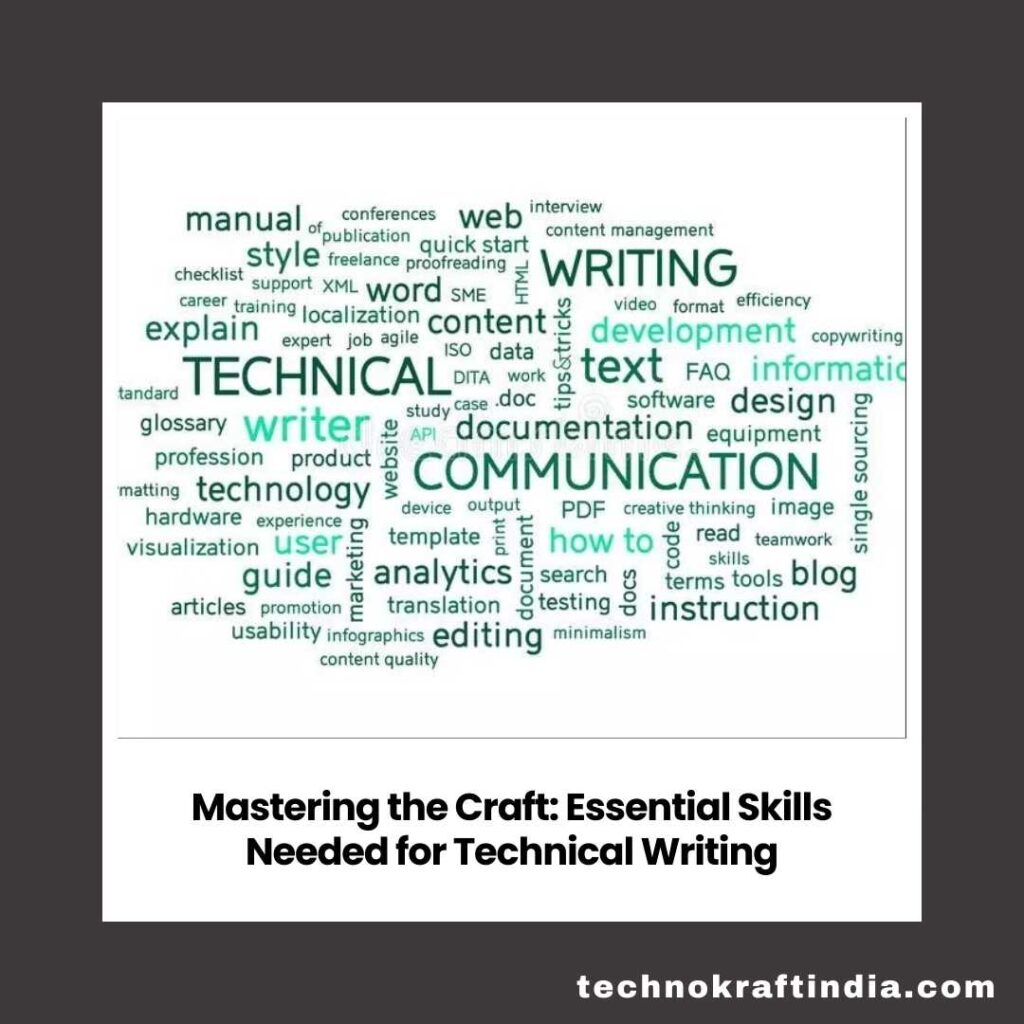
Mastering the Craft: Essential Skills Needed for Technical Writing
Mastering the Craft: Essential Skills Needed for Technical Writing
The world of digital communication evolves fast, and clear information has become a powerful asset. Whether you create software manuals, product guides, API documentation, or online help systems, the quality of your writing determines how well users understand a complex topic. To excel in this space, writers must develop a mix of analytical thinking, structured communication, research ability, and user awareness. This blog explores the most important Essential Technical Writing Skills, highlighting how they shape clarity and precision in every document.
1. Strong Research Skills: The Backbone of Every Technical Document
Essential Technical Writing Skills begins the moment research starts. Writers must collect accurate information from reliable sources and convert it into a clear format. This process demands curiosity and critical thinking. It also requires the ability to understand technical concepts at a deeper level.
A technical writer often collaborates with developers, engineers, designers, and product managers. Because these roles involve advanced knowledge, a writer must ask the right questions. This helps uncover details that matter to the final document. When research is strong, the content remains accurate, relevant, and useful.
Moreover, research builds credibility. Readers rely on technical documents for guidance or troubleshooting. When the information is correct, they trust the writer. When it is confusing or incomplete, frustration grows. Therefore, writers must develop the skill to verify facts before publishing. This ensures that every guide, manual, or knowledge base entry supports the user’s needs.
Research also involves understanding the audience. Technical writers often handle different user levels, such as beginners, intermediates, and advanced professionals. By researching user behavior and expectations, writers prepare content that fits the user’s mindset. This prevents misunderstandings and improves the overall learning experience.
2. Clear Communication and Simplified Writing
Clear communication ranks among the most powerful skills needed for technical writing. Many users depend on documentation to understand technical tools or processes. If the content is complex, users may lose interest or feel overwhelmed. Writers must turn complicated details into simple language without losing accuracy.
To master clear communication, writers should focus on structure. Short paragraphs, bulleted lists, and logical flow help readers move through content with ease. A direct and consistent tone also improves readability. Because technical writing demands precision, each sentence must deliver value. When writers remove unnecessary words, clarity improves.
Another important element in communication is consistency. This includes consistent terms, formatting, and voice. When terminology stays the same throughout the document, users understand concepts faster. When the structure follows a predictable pattern, users navigate content with confidence.
Visualization also supports clarity. When complex information becomes easier through diagrams, tables, and charts, users understand faster. Technical writers often work with teams to produce visual elements that complement text. This combination provides clear, complete communication that supports the user’s learning journey.
3. Technical Understanding and Subject Knowledge
A writer doesn’t need to become an engineer or programmer, but basic technical understanding is vital. Without it, the writer cannot explain the topic clearly. This makes subject knowledge one of the most important skills needed for technical writing.
Technical understanding allows writers to break down advanced concepts into simple steps. When writers grasp the logic behind a tool or process, they can identify what users must learn first and what can be introduced later. This logical progression strengthens the overall document.
Subject knowledge also reduces errors. Writers who understand the technology behind the product can catch mistakes in documentation before it reaches users. This leads to more accurate content and fewer revisions.
Another advantage of technical understanding is improved collaboration. Developers and engineers appreciate working with writers who understand their language. This creates smoother communication and better outcomes for the documentation process. When teams collaborate effectively, the final document becomes more reliable and comprehensive.
Technical knowledge can improve over time. Writers often learn through training, hands-on product experience, and continuous exploration. Since technology evolves quickly, writers must stay updated. This commitment to learning strengthens their expertise and supports long-term professional growth.
4. Strong Organizational and Structural Skills
Organization is one of the core skills needed for technical writing, because structure influences how users consume information. Well-organized content guides readers step by step, helping them find answers without confusion. A writer who masters structure can turn even complex information into a smooth and understandable flow.
Writers must organize ideas before writing. Planning the flow through outlines and content maps ensures that the document follows a logical path. This prevents repetition, improves clarity, and saves time during revisions.
Another part of organization is the ability to categorize information. Technical writing often involves instructional content, feature descriptions, troubleshooting sections, and FAQs. Each category requires a different writing approach. When writers place information in the right category, users locate what they need faster.
Writers must also manage multiple versions of content. This includes updating documentation after product changes, tracking revisions, and managing feedback. Strong organization ensures that documents remain accurate and up to date.
Formatting contributes to structure as well. Writers use headings, subheadings, lists, diagrams, numbered steps, and callouts to guide the user. When the document looks structured, the reading experience becomes smoother. Users can scan the page for key details and grasp information quickly.
5. Attention to Detail and a User-First Approach
Attention to detail plays a major role in producing high-quality technical content. Every word matters. Every instruction must be precise. This skill prevents errors, improves clarity, and enhances user experience. A single mistake in technical documentation can misguide users, create confusion, or even cause operational issues.
Writers with strong attention to detail ensure that grammar, spelling, formatting, and terminology remain consistent. They also check facts, cross-verify system behaviors, and confirm that the steps match the real product. This level of care supports credibility.
A user-first approach strengthens the effectiveness of documentation. Writers must understand how users think, what problems they face, and how they interact with a product. When writers focus on user needs, they create content that guides, supports, and empowers the audience.
User-focused writing often includes problem-solving examples, step-by-step instructions, and practical use cases. These elements make documentation more valuable. When users find clear answers quickly, they trust the document. This trust reflects the writer’s ability to think from the user’s perspective.
Writers must also gather feedback from users and improve content based on real experiences. This makes documentation more accurate and user friendly. The goal is always to support the user, reduce confusion, and deliver clarity through well-crafted information.
Conclusion
Technical writing thrives on clarity, accuracy, and user understanding. Writers who build strong research skills, clear communication, technical knowledge, organization, and attention to detail bring greater value to any team. These Essential Technical Writing Skills help transform complex ideas into simple, actionable information. As technology continues to evolve, writers who master these abilities will remain valuable contributors to digital learning and product success.